

Is Renewable Energy Really Overtaking Fossil Fuels?


According to a lot of the commentary around the race to combat climate change, renewable energy is poised to become the world’s leading power source next year.
This means potentially surpassing coal and marking a historic shift. The progress, whilst promising, begs the question: Is it happening fast enough to address the climate crisis?
And more importantly, will it be enough to fully replace fossil fuels, or is the transition fraught with hurdles that could slow global progress?
The Promise
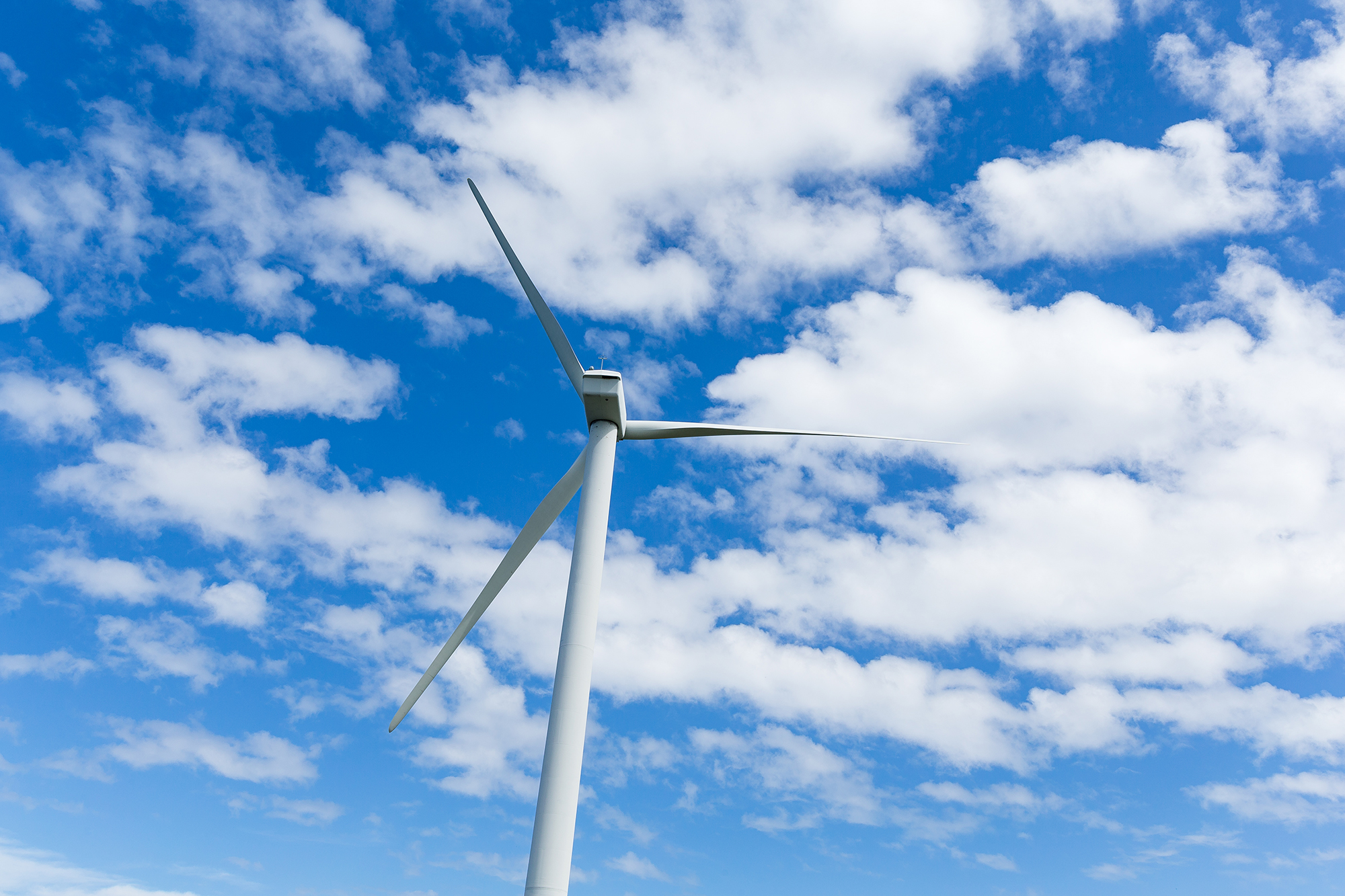
Renewable energy, particularly wind and solar power, has experienced unprecedented growth in recent years. In fact, the International Energy Agency (IEA) projects that 90% of new electricity generation between 2022 and 2027 will come from renewable sources. The world’s largest offshore wind farm, Hornsea 2, became operational in 2023, providing clean power to 1.4 million homes annually (World Economic Forum). This project is symbolic of the broader shift as more countries accelerate their commitments to a green energy future.
This momentum is further reinforced by international pledges, such as the global coalition of over 120 countries that aims to triple renewable energy capacity by 2030 (Home of Energy News). Such initiatives reflect a collective realisation that renewables are no longer just a supplemental energy source; they are central to the future of global power.
The Roadblocks
Despite this progress, the transition from fossil fuels remains complicated. Currently, the world’s energy systems are still deeply rooted in fossil fuels, with coal, oil, and natural gas making up 81% of global energy consumption, the same proportion as 30 years ago. This stubborn reliance poses a significant challenge to meeting the 1.5°C global warming target set by the Paris Agreement. Fossil fuel industries, supported by decades of infrastructure and investment, are not easy to dismantle overnight.
Furthermore, while renewable energy technology is advancing, it has yet to fully address the issue of intermittency. Solar and wind, the most abundant forms of renewable energy, are dependent on weather conditions, which can lead to gaps in energy supply. Energy storage solutions, like large-scale batteries, are making strides but have not yet reached the scale required to stabilise grids entirely reliant on renewables.
The Speed
Another key issue is whether the pace of renewable adoption is fast enough. According to the IEA, renewable energy’s growth must not only outpace fossil fuel expansion but also offset the ongoing emissions from existing fossil fuel infrastructure. Whilst wind and solar power are now cheaper than coal in many regions, fossil fuels continue to benefit from subsidies and entrenched political interests, especially in major economies like China and India, which remain significant coal consumers.
A crucial consideration is that even as renewables rise, global energy demand continues to grow, particularly in developing nations. This growing demand risks outpacing the installation of new renewable infrastructure, especially if fossil fuel subsidies remain in place, perpetuating reliance on carbon-intensive energy sources.
The Future
The path forward demands more than just scaling up renewables. It requires systemic changes in how we produce, distribute, and consume energy. Decentralised energy systems, carbon pricing, and substantial investments in grid infrastructure will be essential to ensure that renewables not only overtake coal but do so in a way that is sustainable and resilient to climate shocks.
Renewable energy is indeed on track to surpass fossil fuels in the near future, but this victory will be incomplete unless paired with aggressive policy changes and technological advancements. The energy transition is not just about replacing coal with wind turbines—it’s about rethinking the entire system to ensure a sustainable, equitable future for all. It looks a tall task, but who doesn’t enjoy a challenge? And nonetheless, we must succeed – it is a global imperative.
#tags
More stories

The Rise of Green Nanotechnology
Green nanotechnology is rapidly emerging as a transformative force in the quest for environmental sustainability.

Smart Grids: The Backbone of Sustainable Energy Management
As the global community intensifies efforts to combat climate change and transition to renewable energy sources, smart grids have emerged as a pivotal component in achieving a sustainable and efficient energy future.

UK Embarks on Ambitious Geoengineering Research to Combat Climate Change
The United Kingdom is taking a significant step in addressing climate change by investing in geoengineering research aimed at exploring methods to cool the planet.

AI’s Dual Role in the Green Transition
Artificial intelligence (AI) is emerging as a powerful tool but also a growing challenge in the global green transition.

Access to finance: Unlocking growth for manufacturing businesses
Accessing the right financial solutions can play a pivotal role in driving growth and ensuring stability.

BGWM IR Fuelling Business Growth For SME Manufacturers: 2025 Updates
This event is designed to equip SME Manufacturers in the Black Country, Birmingham and Solihull region, with the latest insights and strategies to fuel growth in 2025.

Investment takes centre stage at COP29 ministerial to triple renewables
COP29 has placed a spotlight on the urgent need to accelerate investments in renewable energy.

A monthly bulletin for GreenTech startups.
Get ready for a lineup of monthly topics aimed at helping your innovation take root.
